KNX Home Automation – Free ETS Software and Training

I’m mostly settled on using a home automation system based on the KNX standard. I like the fact that:

  • It’s not a proprietary solution defined by one company but rather a standard defined and owned by a semi-independent standards body (the KNX Association) and formally ratified as an international standard (ISO/IEC 14543-3).
  • KNX-compliant devices are designed and manufactured by a variety of different companies, including some of the big players like ABB and Schneider Electric. Devices from different manufacturers can be mixed and matched as part of a single installation.
  • The standard has been around for a while and it’s relatively well used, albeit more in commercial installations than domestic ones. That provides a level of confidence that KNX-compliant products and support won’t be going away anytime soon.
  • There are some decent solutions for integrating with alternative technologies, so not every home automation device has to talk the KNX protocol directly.

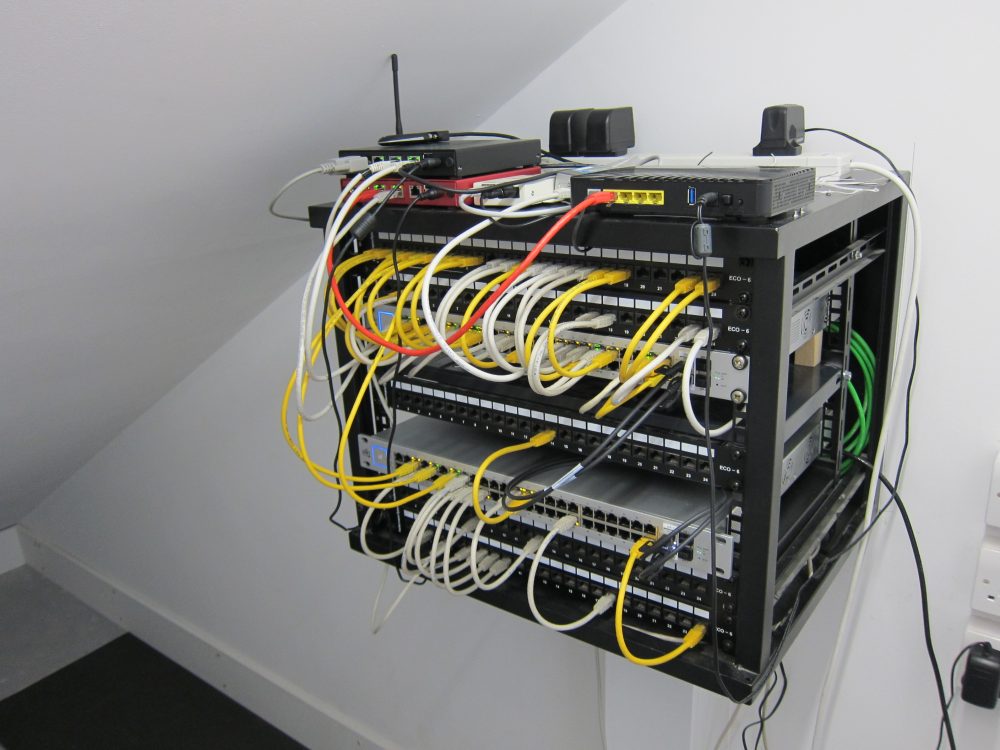
A KNX installation does not need a central control unit. The individual devices all have the intelligence to listen for messages from other devices – so for example a particular lighting dimmer might be told to listen for messages from a particular light switch and also from a particular movement sensor. This means that each KNX device needs to be programmed and that is done using software called ETS which is maintained by the KNX Association rather than by the individual device manufacturers.

ETS is commercial, licensed software (only for Microsoft Windows, unfortunately) and is charged at different levels depending on the size of the installation being programmed:

  • A Demo version is available for free but is limited to 3 devices per installation.
  • A Lite version is priced at €100 but is limited to 20 devices per installation.
  • A Professional version is priced at €900 but has no limit on the number of devices.

However, the KNX Association provide some free web-based training courses and on successfully completing those they give you a voucher for the Lite version of the software, which essentially means you can programme an installation containing 20 devices for free.

Update 2014-11-11: Actually it’s not quite “free”. For ETS5 the only option is to have a license delivered on a physical USB “dongle” which costs €60, plus €15 postage and packaging, plus VAT. The €140 cost of the actual licensed is waived when using the voucher received on the successful completion of the training, but these other costs are not.

AECB Annual Conference, Bristol, 11 – 12 July 2014

I’m just back from the 2014 Association for Environment Conscious Building conference – two days in Wills Hall Conference Centre at the University of Bristol. I’ve been a Supporter member of the AECB for two years now and I also attended last year’s conference in Bradford. I briefly lived in Bristol over 20 years ago, quite close to Wills Hall, and it was good to go back for a visit.

The annual conference is attended by roughly 200 of the 1400 AECB members and is an interesting mix of relatively technical presentations (which I like very much), some more political discussions, a small exhibition of sustainable building materials and services and a lot of networking with like-minded individuals.

Both years I have come away with lots of leads to follow up on. This year they include:

  • The AECB Low-Energy Buildings Database which aims to provide a comprehensive index of real-life low-energy buildings – both new-build and retrofit – including a comparison of their predicted and measured performance
    • Some of the entries are fairly sparsely populated with information but the entry for the Denby Dale Passivhaus looks pretty comprehensive
  • The new Passivhaus categories: Passivhaus Plus and Passivhaus Premium, alongside what is now called Passivhaus Classic. The new categories take account of on-site renewable power generation. More info here.
    • Since I’m planning to include a Solar PV installation I’m wondering if Marsh Flatts Farm will “automatically” qualify for one of the new categories…
  • The Green Register of Construction Professionals.
  • The Ariston NUOS Air Source Heat Pump Hot Water Cylinder
    • A hot water cylinder with an integrated air-source heat pump and ducted air intake and exhaust ports
    • Further research shows there’s a similar alternative from a different manufacturer, the Ecocent
  • A range of home monitoring and management solutions: